Bangkok Street Food in 2026 — What to Eat, Where to Go, and Why It Still Beats Every Restaurant in the City
The real guide to Bangkok street food in 2026 — the dishes worth eating, the neighbourhoods to explore, and why the best Thai food has never been on a restaurant menu.

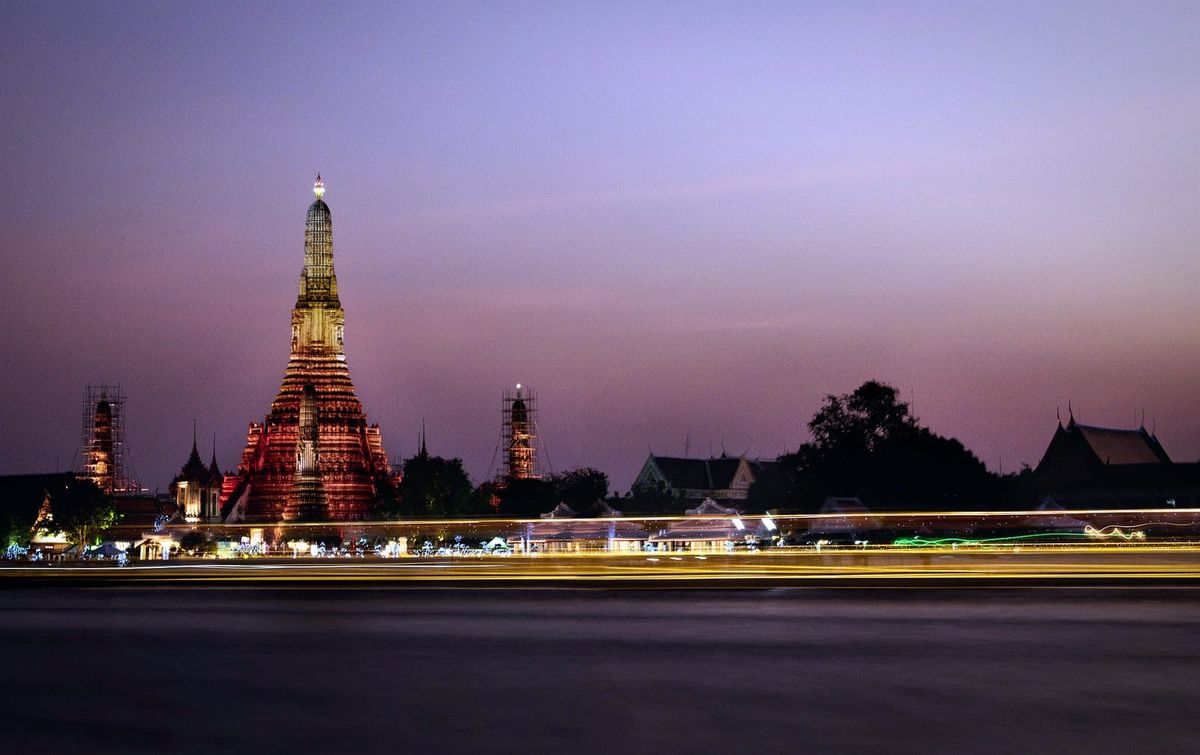
Bangkok does not ease you in.
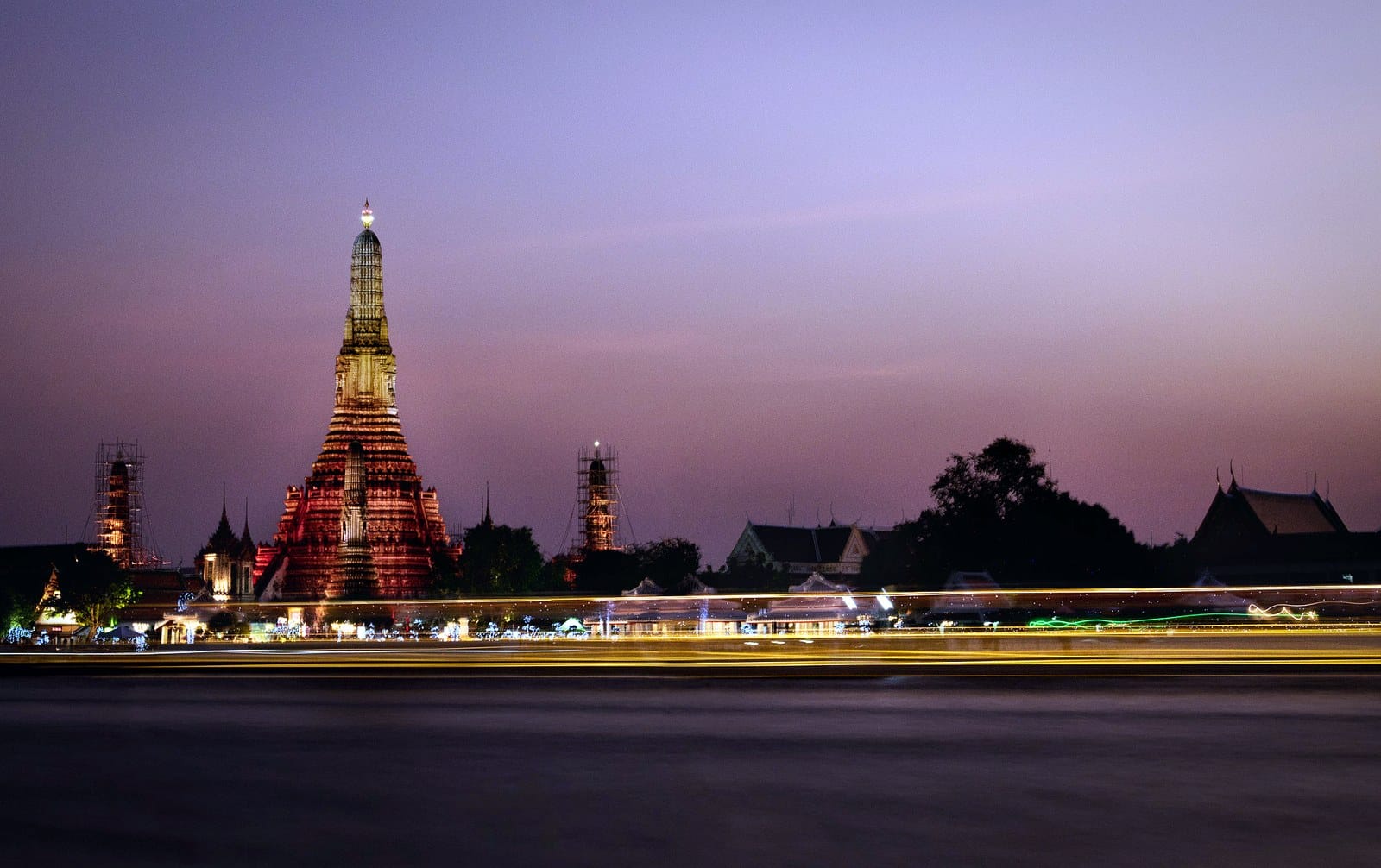
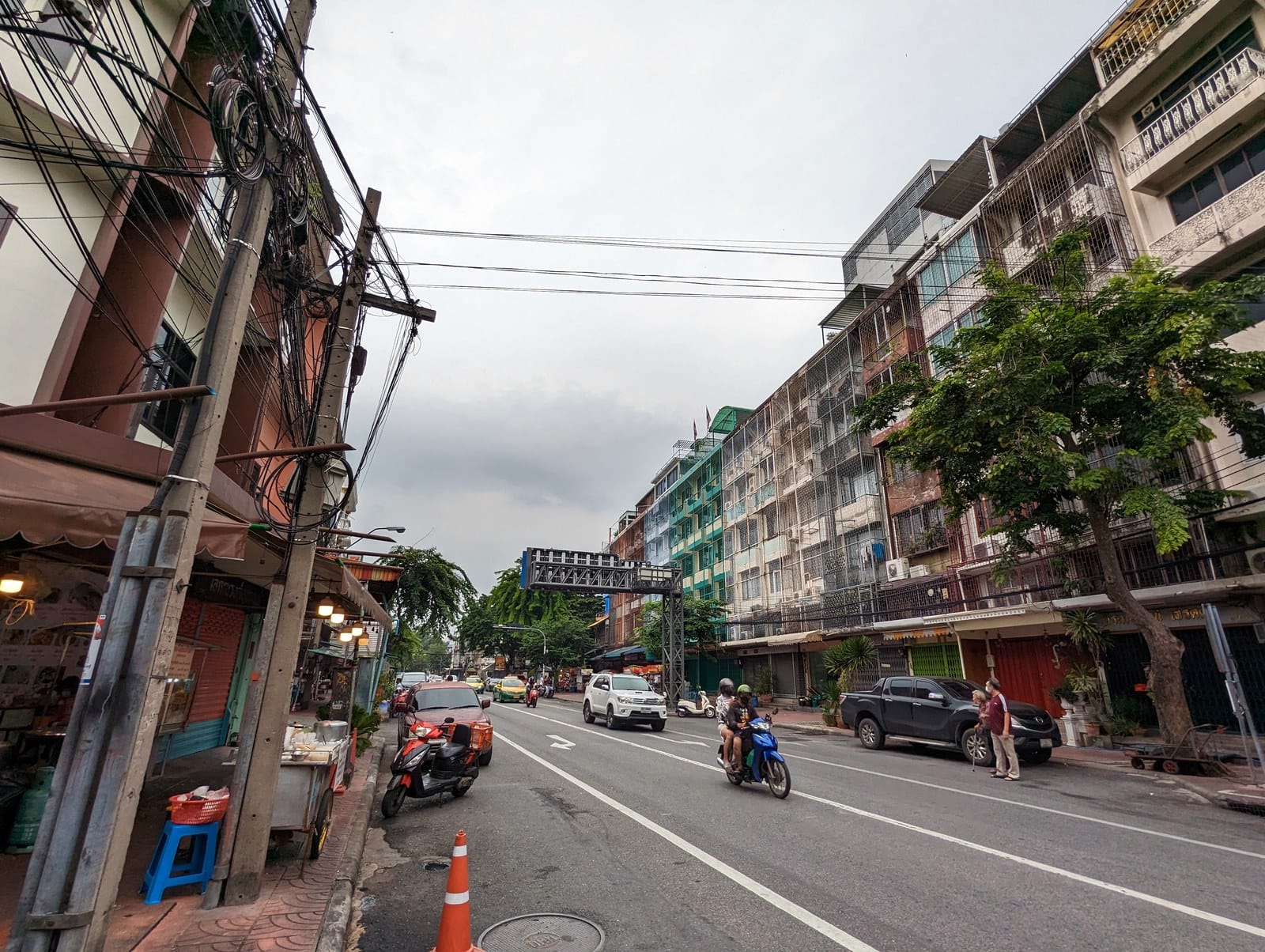
You land, you step outside the airport, and before you have even found your taxi, the smell hits you. Lemongrass. Fish sauce. Something charred on a grill. Something sweet frying in oil. It comes from everywhere and nowhere — from a cart on the pavement, from a wok visible through a doorway, from a woman with a portable gas burner who has set up her entire kitchen on a folding table at the side of a road.
This is the city that made street food famous. And in 2026, despite the air-conditioned malls and the rooftop bars and the Michelin-starred Thai restaurants, the best food in Bangkok is still outside.
Here is where to find it.
Pad Thai — Start Here, But Do It Right
Every visitor eats Pad Thai. The mistake is eating it at the wrong place.
The version served in tourist restaurants — sweet, gloopy, neatly plated — is almost nothing like what Pad Thai actually tastes like when it is done properly. Real Pad Thai is made to order in a screaming hot wok: rice noodles, egg, dried shrimp, bean sprouts, spring onions, a splash of fish sauce, a spoon of palm sugar, tamarind. The whole thing takes ninety seconds. It arrives on a plate with a wedge of lime, crushed peanuts, chilli flakes, and dried chilli in vinegar on the side. You adjust it yourself at the table.
The texture matters. The noodles should have some char on them — that wok breath, the slight smokiness from high heat that a restaurant kitchen never quite replicates.
Where to go: Thip Samai on Maha Chai Road is the most famous Pad Thai spot in the city, open since 1966. It is worth the queue. For something less touristy, any busy noodle cart in the streets around Silom or Ari at dinner time will serve you well.
Cost in 2026: THB 60–120 for a proper plate.
Som Tum — The Papaya Salad That Is Not Actually a Salad
Som Tum is shredded unripe papaya pounded in a mortar with garlic, chillies, lime juice, fish sauce, palm sugar, dried shrimp, and green beans. Sometimes tomatoes. Sometimes peanuts. Sometimes both.
It is crunchy, sour, sweet, salty, and searingly hot — all at the same time. The heat comes from fresh bird's eye chillies, and the vendor will ask how many you want. If you are not used to Thai spice, say one. Say zero if you are genuinely unsure. There is no shame in it.
Som Tum is eaten with sticky rice, scooped up with your fingers and used to scoop up the salad. Grilled chicken on the side — gai yang — is the standard companion.
Where: Som Tum vendors are everywhere, but the best clusters are around Chatuchak Weekend Market and in the Isaan-heavy neighbourhoods of On Nut and Bearing, where northeastern Thai migrants have brought their version of the dish.
Moo Ping — The Pork Skewers That Make the Best Breakfast
Early morning in Bangkok, before the city properly wakes up, the moo ping vendors are already going.
Moo ping is grilled pork on skewers — thin slices marinated in coconut milk, fish sauce, and palm sugar, then grilled slowly over low charcoal until the edges caramelise. The fat renders, the marinade creates a glaze, and the whole thing comes to you slightly sweet and deeply savoury.
Eaten at seven in the morning with sticky rice and a cold Thai iced tea, this is one of the great breakfasts in Asia. It is also one of the cheapest — THB 10 to THB 15 per skewer.
Where: Side streets around BTS stations in the early morning. The vendors near Mo Chit and Victory Monument are particularly reliable.
Boat Noodles — The Bowl That Requires No Explanation
Boat noodles got their name from the vendors who used to sell them from boats along Bangkok's canals. The canals are mostly gone now, but the noodles remain.
A bowl of boat noodles is small — deliberately so, because you are supposed to order several. Pork or beef broth, deeply dark from blood and spices, with thin rice noodles, sliced meat, offal if you want it, morning glory, bean sprouts, and a fried wonton on top. The broth is rich and slightly funky in the best possible way.
One bowl costs about THB 15 to THB 20. You order four or five. You eat them fast.
Where: The boat noodle alley at Victory Monument is the most concentrated spot in the city. Arrive hungry.
Khao Man Gai — Bangkok's Quiet Comfort Food
Khao Man Gai is poached chicken over chicken-fat rice, served with a clear broth on the side and a thick, fermented soybean dipping sauce. It is the Thai version of Hainanese chicken rice, brought over by Chinese immigrants and made entirely Bangkok's own.
It does not look exciting. It is not trying to be. The chicken is silky, the rice is fragrant and slightly oily in a way that is completely correct, and the sauce — dark, pungent, sweet — ties it together.
This is what Bangkok eats when it needs to eat well and eat fast. You will see office workers, taxi drivers, and school children all at the same plastic table at lunch.
Cost: THB 50–80 a plate. One of the best value meals in the city.
Mango Sticky Rice — The One Dessert You Must Eat
Khao niao mamuang. Ripe mango — and it has to be ripe, not the slightly green versions some vendors use — served alongside warm sticky rice soaked in sweetened coconut milk, with toasted sesame seeds or mung beans on top. Sometimes a drizzle of extra coconut cream.
The combination of cold sweet mango, warm rice, and the richness of the coconut milk is genuinely difficult to describe. It is the kind of thing people come back to Bangkok specifically to eat.
This is a seasonal dish — the best mango season runs from March to June. Outside of that window, the mangoes are still good but not at their peak.
Where: Mae Varee on Thong Lo is the most well-known spot and has been for decades. Street vendors near Or Tor Kor Market are also excellent.
Cost: THB 60–120 depending on portion size.
Pad Kra Pao — The Late Night Standard
Pad Kra Pao is stir-fried meat — pork, chicken, or beef — with holy basil, fish sauce, oyster sauce, garlic, and fresh chillies, served over rice with a fried egg on top. The yolk should be runny. The basil should be wilted and slightly crisp at the edges from the heat of the wok.
This is the dish Bangkok eats at midnight. It is the dish Thai people make when they are tired and hungry and do not want to think. It is also, almost always, the best thing you will eat all day.
Every restaurant, every street stall, every canteen in Bangkok does a version. The quality varies. The benchmark is simple: the basil should be fragrant, the dish should be slightly wet with sauce, and the egg should have crispy edges.
Cost: THB 50–80. Everywhere, at any hour.
Neighbourhoods Worth Eating Your Way Through
Yaowarat (Chinatown) — Bangkok's Chinatown is the best night food street in the city. Roast duck, dim sum, fresh seafood grilled on the pavement, congee, crab fried rice. Go after 6pm when the stalls open and the street fills up. Loud, crowded, and completely worth it.
Ari — A quieter, more neighbourhood feel. Good for breakfast and lunch. The street around Ari BTS station has strong Som Tum spots and excellent coffee cart culture.
On Nut — Where Bangkok's working population actually eats. Cheaper than the tourist areas, better quality, more variety. If you are staying here, eat here.
Or Tor Kor Market — Not a night market. A proper produce and food market, open in the mornings, with some of the best prepared food stalls in the city. The mango sticky rice here is a benchmark.
Practical Notes for 2026
Is it safe? Yes. The crowd rule applies everywhere in Asia: if locals are queueing for it, it is safe. Bangkok's street food scene feeds millions of people every day. The vendors who survive for years do so because they are consistent.
Spice: Bangkok food is genuinely hot. Always ask before you order and specify your tolerance. "Mai phet" means not spicy. "Phet nit noi" means a little spicy. Learn these two phrases before you eat anything.
Cash: Most street vendors are cash only. Carry THB 100–500 notes. ATMs are everywhere — Bangkok Bank and Kasikorn Bank have the most reliable machines for foreign cards.
Getting around between food spots: The BTS Skytrain is the fastest way to move between neighbourhoods. Grab (the Southeast Asian equivalent of Uber) works well for anywhere not near a BTS station. Tuk tuks are for short distances only — they are slower and more expensive than they look.
Connectivity: If you are coming from Africa or elsewhere outside Thailand, an Airalo eSIM activated before you fly means you have data from the moment you land — useful for Google Maps when you are trying to find a specific soi at night. Get your Thailand eSIM on Airalo → (affiliate — we earn a small commission at no cost to you)
Travel insurance: Bangkok's medical care is excellent, but costs money without cover. SafetyWing is the travel insurance we recommend for extended trips across Asia — affordable, reliable, and it covers medical evacuation if you need it. Check SafetyWing plans → (affiliate)
Before you fly: Entry requirements for Thailand shift from time to time. Check the latest directly with the official Tourism Authority of Thailand rather than relying on second-hand blog advice.
The Honest Truth About Bangkok Street Food in 2026
Some of the most famous street food streets in Bangkok have changed. Policies in recent years pushed vendors off certain pavements. A few iconic spots closed. The city is different from what it was ten years ago.
But the food is not gone. It moved. It is in the side streets, the markets, the neighbourhoods slightly off the tourist trail. You find it by walking, by following your nose, by stopping when something smells right.
Bangkok rewards the curious. Eat outside. Eat often. Eat what the person next to you is eating.
Heading further into Southeast Asia? Our guide to the best budget hotels in Phnom Penh covers where to stay on the next leg.