Editorial Content vs the Hotel Brochure: What Actually Makes Guests Book
Brochure language sells nothing. Here's why editorial, magazine-style hotel content marketing wins trust and bookings in 2026 — with examples that work.

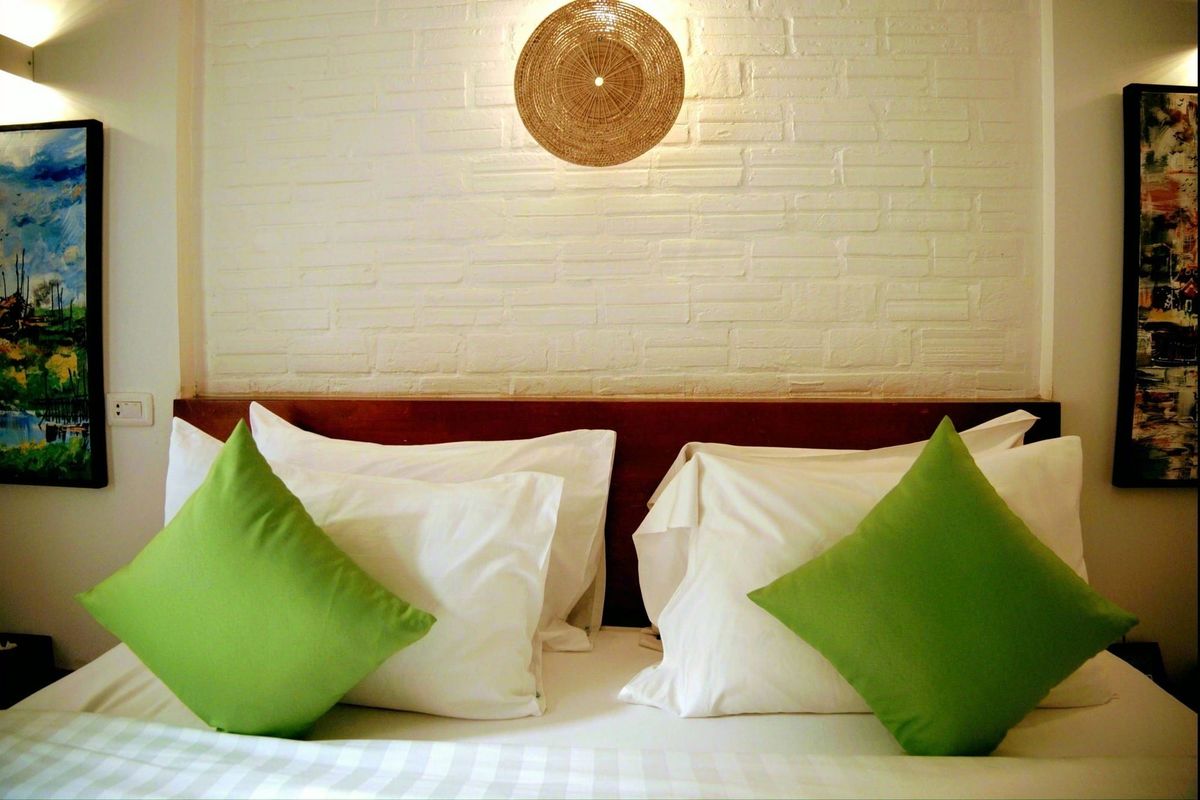
"A tranquil oasis where luxury meets serenity." You have read that sentence a hundred times, on a hundred hotel websites, and it has never once made you book.
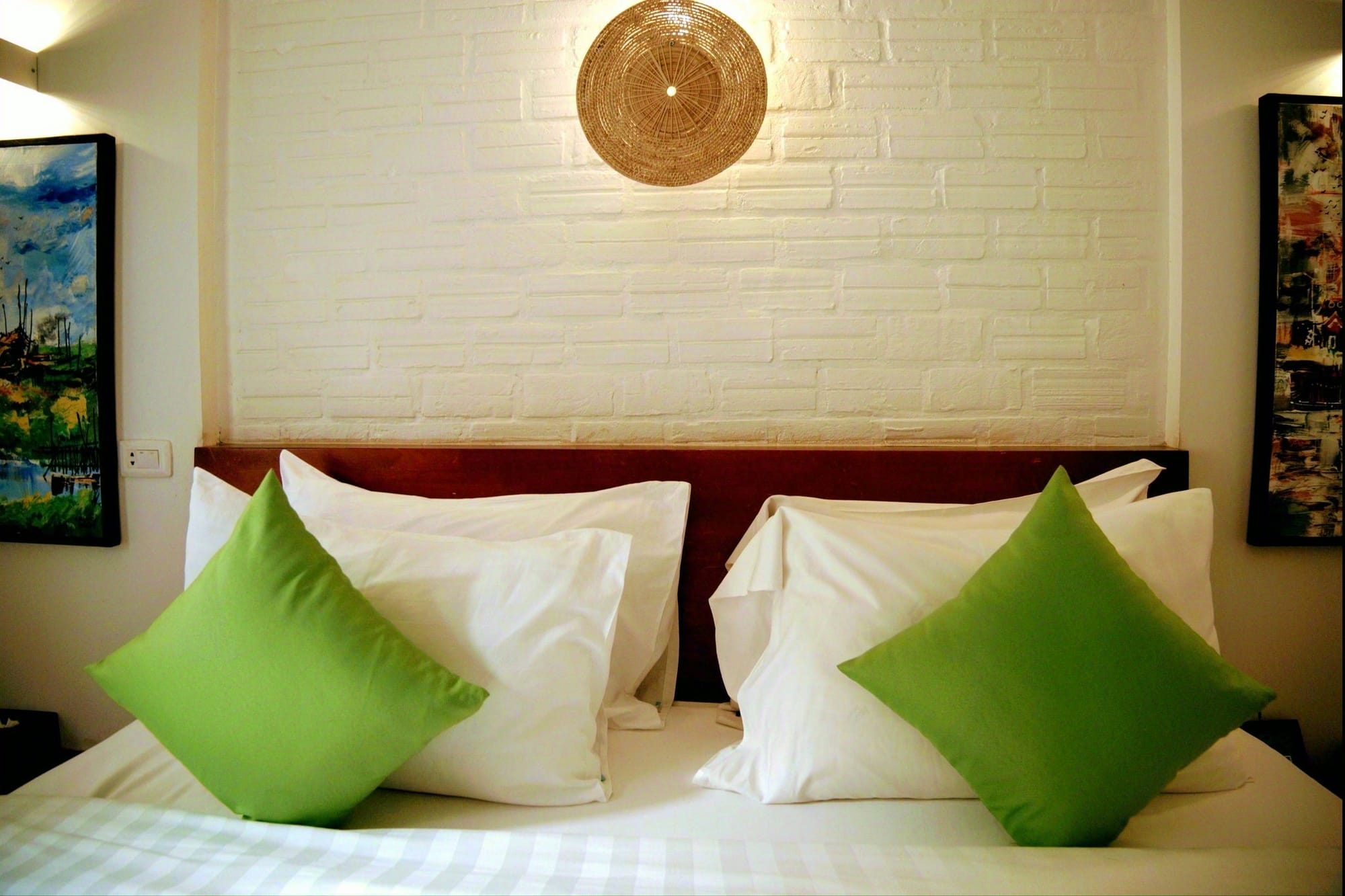
That is brochure language — and it is the default setting for hotel marketing. It sounds polished, it ticks a box, and it persuades no one. The hotels winning attention in 2026 have moved on to something that actually works: editorial content. Here is the difference, and why it matters for your bookings.
What "Brochure" Actually Means
Brochure content describes a hotel from the inside out, in the language of the people selling it. It lists features. It reaches for adjectives — luxurious, stunning, world-class. It speaks to no one in particular and assumes the reader is already sold.
The problem is that every competitor writes exactly the same way. "Luxury," "tranquil," and "unforgettable" are now invisible. When everyone sounds world-class, world-class means nothing, and the traveller has no way to tell one property from the next — so they fall back on price and reviews, which is the OTA's home turf.
What Editorial Content Does Differently
Editorial content tells the truth specifically, from the traveller's point of view.
Instead of "fine dining experience," it tells you the chef sources crab from the market two streets away and the breakfast everyone photographs is the congee. Instead of "prime location," it tells you which morning walk the staff actually recommend and what you'll hear from the balcony at dawn. It reads like a feature in a travel magazine, because that is what travellers trust — a story, not a sales pitch.
This is the standard Amen.Travel was built on: content that reads like a magazine feature, not a brochure. Amen and Dennis visit the property in person, because you cannot write specifically about a place you have not been. The result is content a hotel owns and reaches an estimated 1.8 million-plus travellers a month with — across Asia and Africa.
Why Specificity Sells
The counter-intuitive truth of hotel marketing is that the more specific you are, the more people you attract.
"Something for everyone" attracts no one, because it gives the traveller nothing to grab onto. But "the quietest rooftop in the old quarter, best at sunset, two minutes from the night market" speaks directly to the person who wants exactly that — and they book, because you have shown them you understand what they came for.
Specific is memorable. Memorable is bookable. Generic is forgettable, and forgettable is a booking lost to whoever is cheapest on the OTA.
How to Tell Which One You're Writing
Read your own website with one question in mind: could a competitor paste this onto their site and have it still be true?
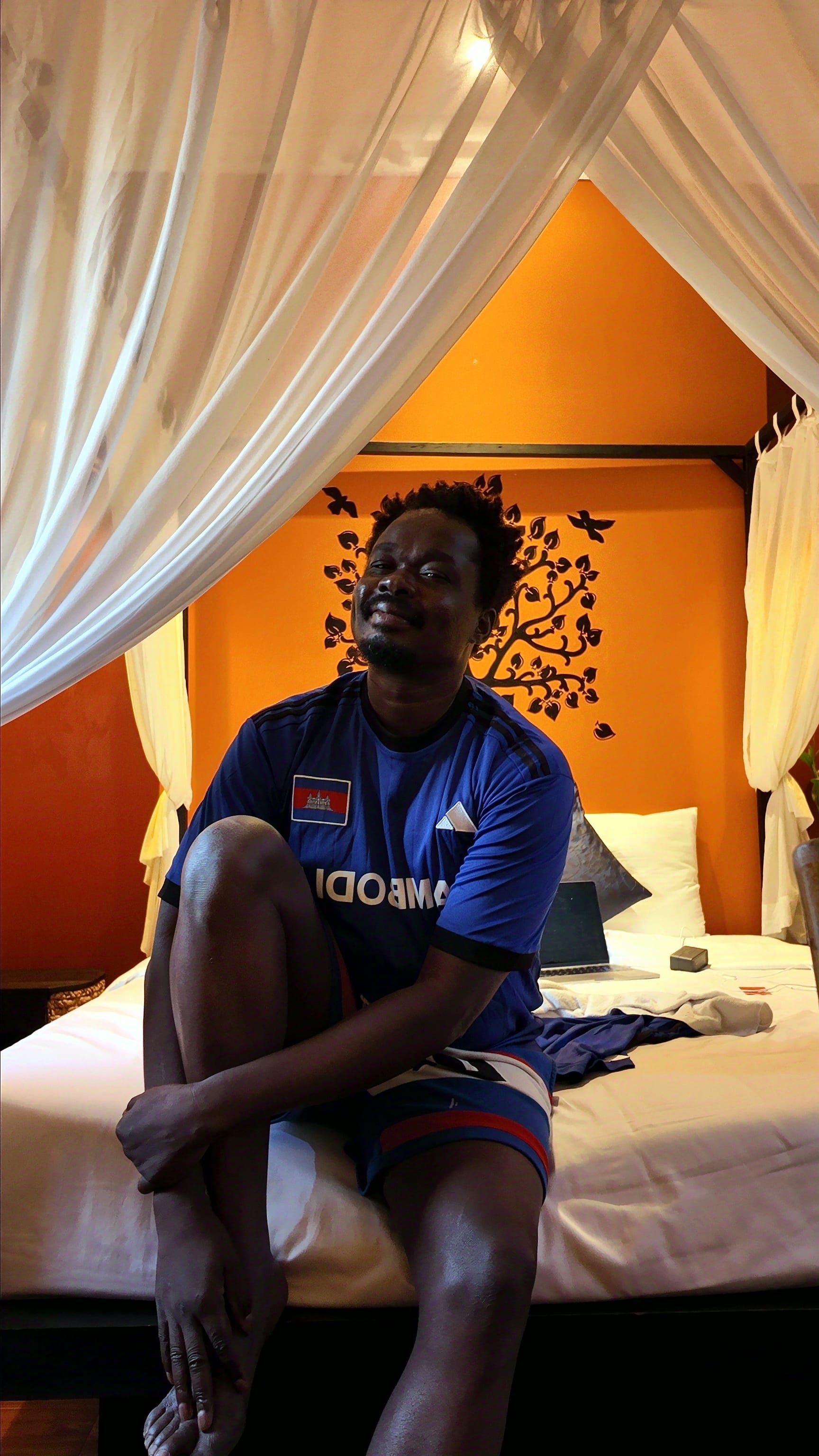
If yes, it is brochure content — swap it for something only your property could honestly say. If no, you are writing editorial, and you are giving travellers a reason to choose you.
Frequently Asked Questions
What is editorial content for hotels? Magazine-style content that tells the specific, true story of a property and its location from the traveller's perspective — built to inform and earn trust, not just to advertise.
Why doesn't brochure language work anymore? Because every hotel uses it. Generic superlatives like "luxury" and "stunning" have lost meaning, leaving travellers unable to distinguish one property from another.
How does editorial content help bookings? It builds trust and makes a property memorable and specific — which moves travellers to book directly rather than defaulting to price comparison on an OTA.
The Last Word
Travellers are not persuaded by a brochure. They are persuaded by a story specific and honest enough to picture themselves inside.
Stop describing your hotel the way every hotel describes itself. Show what is actually, particularly true about yours — that is what gets booked.
Work with Amen.Travel
Amen.Travel creates editorial hotel content that drives direct bookings — first-hand features from properties across Asia and Africa, reaching an estimated 1.8M+ travellers a month. Content that reads like a magazine feature, not a brochure.
See the work → · Read client reviews → · Book a Season from $150 →
A venture by Dennis Obel, founder of Afrofeast.