Why Stock Photography Is Quietly Costing Your Hotel Bookings
Stock photos and brochure shots make your hotel look like everyone else. Here's why authentic hotel photography wins bookings — and what to do instead.

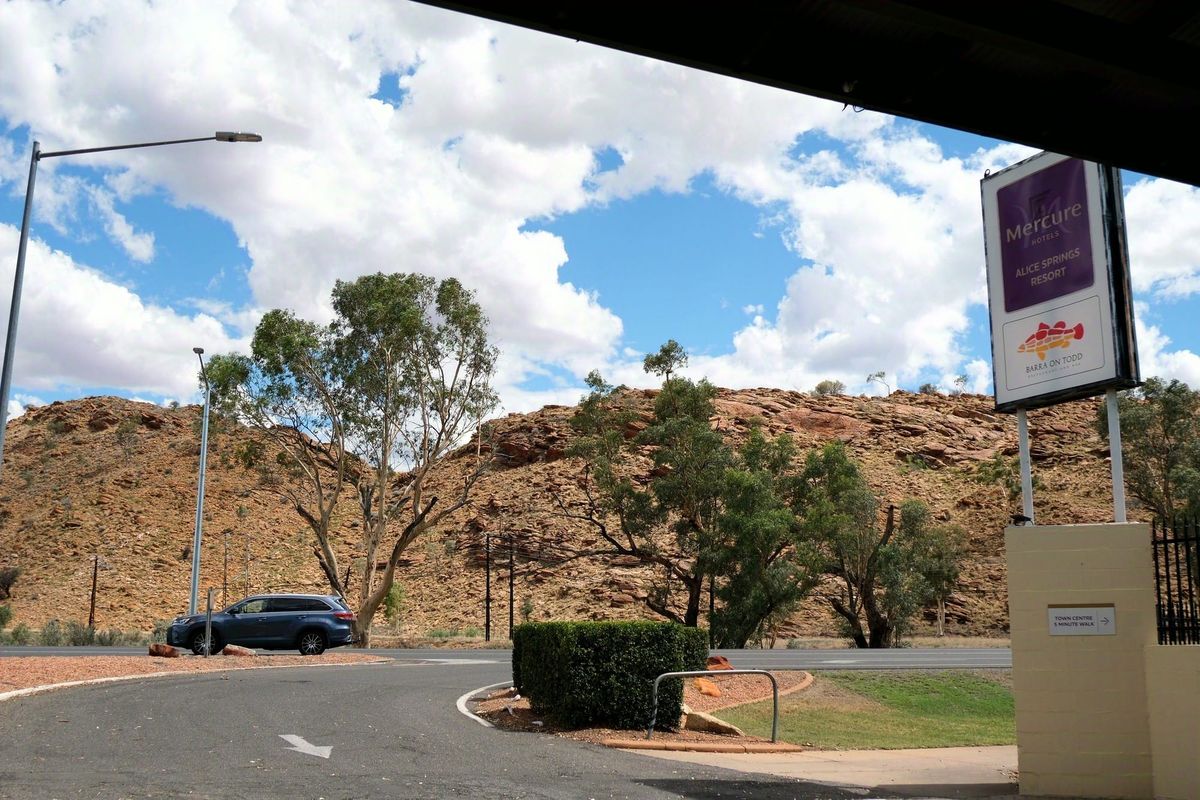
A traveller deciding where to stay makes the call in seconds, and they make it with their eyes.
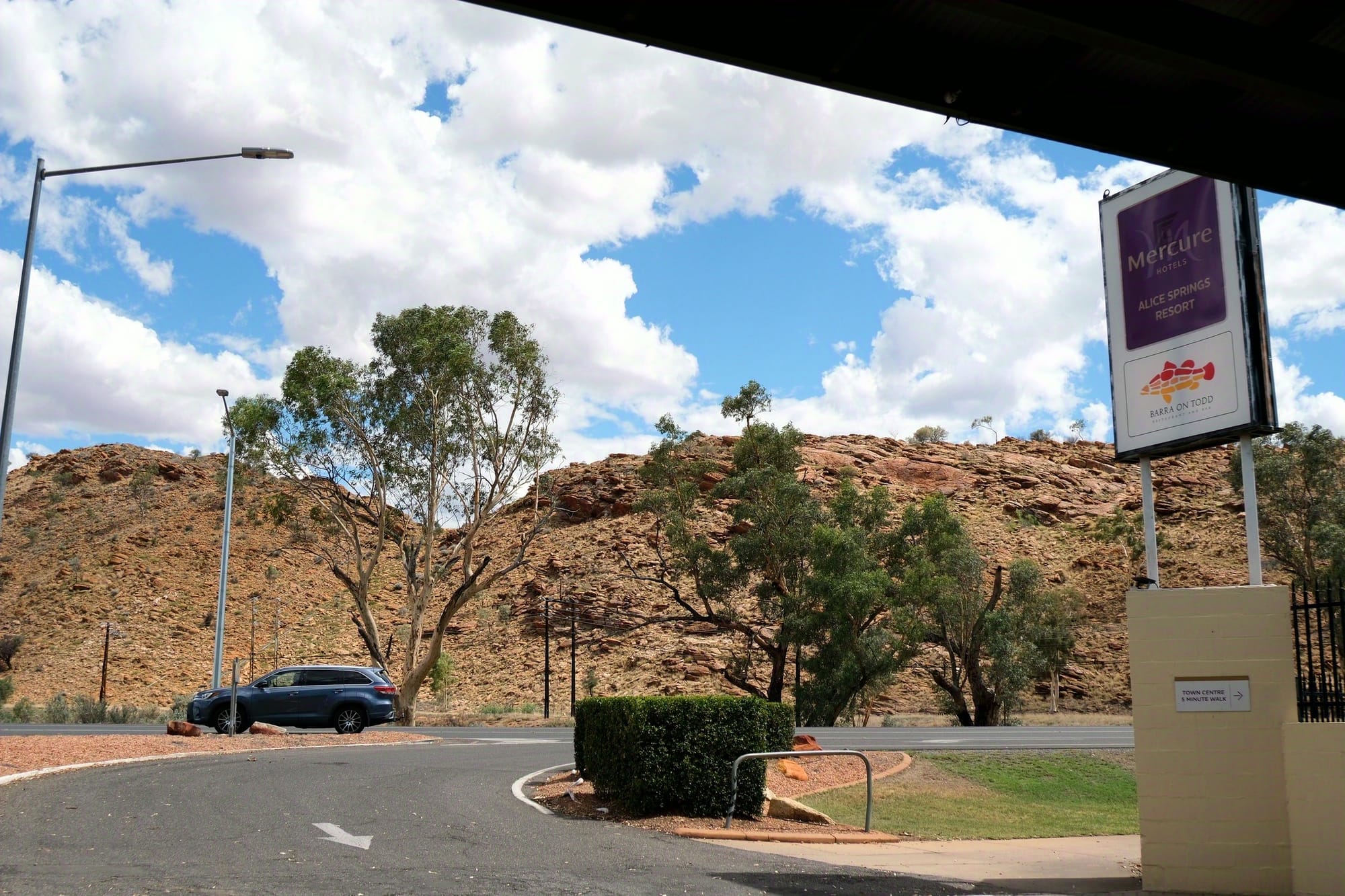
They scroll a gallery, form a gut feeling, and either lean in or move on. Which means the single biggest factor in whether they book is not your price or your amenities list. It is your photography. And if those photos are stock, or stock-adjacent — the polished, generic, could-be-anywhere kind — you are quietly losing bookings you never knew you had.
The Problem With "Nice" Hotel Photos
Most hotel photography is technically fine and completely forgettable. A wide shot of a made bed. A blue pool with no one in it. A close-up of a towel folded into a swan. They are clean, well-lit, and say nothing.
Worse are the genuine stock images — the sunset that isn't your beach, the smiling couple who never stayed with you, the breakfast spread shot in a studio. Travellers have seen these thousands of times. They have learned, consciously or not, to distrust them. A stock photo does not say "this is what you'll get." It says "we couldn't show you the real thing."
The result is a gallery that blends into every other listing on the OTA, and a traveller who feels nothing and scrolls on.
What Travellers Are Actually Looking For
People do not book a room. They book an experience they can picture themselves inside.
That picture is built from specifics: the real texture of the morning light, the actual view from the balcony, the genuine character of the neighbourhood, the dish your kitchen actually makes well. The image above shows Amen learning traditional candle-making from a local artisan in Hue — not a styled shoot, a real experience in a real place. That is the difference travellers feel instantly, even when they cannot name it.
Authentic photography does not just look better. It does the one job that matters: it makes a promise the property can keep, and travellers can sense the honesty in it.
Why Authentic Content Is Hard — and Worth It
If real photography is so much better, why does everyone still use the generic kind? Because authentic content is harder to make. It means someone actually visiting the property, staying there, understanding what makes it specific, and having the eye to capture it.
That is exactly the model behind Amen.Travel. Dennis Obel has spent more than two decades photographing hotels of every kind across Africa and the Asia Pacific — luxury and budget alike — and knows the difference between a property that photographs well and one that simply is. Amen fronts the editorial campaigns on location, and the work reaches an estimated 1.8 million-plus travellers a month. The hotel keeps the content and uses it where it counts: its own website, its own social channels, its own direct-booking funnel.
You can see what that looks like in practice on the Amen.Travel reviews page.
Frequently Asked Questions
Is stock photography bad for hotels? It is rarely effective. Travellers recognise generic imagery and distrust it. Authentic, on-location photography of your actual property converts far better.
What makes hotel photography "authentic"? It shows the real property, real spaces, real light, and real local experiences — captured by someone who has actually been there, not assembled from a stock library.
Can good photography really increase direct bookings? Yes. Photography is the first thing a traveller judges. Real, specific imagery builds the trust that moves a booking from an OTA to your own website.
The Last Word
Your photography is your first promise to a guest. Make it with stock, and you promise nothing. Make it real, and you give a traveller a reason to choose you — and to book direct.
Look at your gallery the way a stranger would. If it could belong to any hotel, it is costing you.
Work with Amen.Travel
Amen.Travel creates editorial hotel content that drives direct bookings — first-hand features from properties across Asia and Africa, reaching an estimated 1.8M+ travellers a month. Content that reads like a magazine feature, not a brochure.
See the work → · Read client reviews → · Book a Season from $150 →
A venture by Dennis Obel, founder of Afrofeast.