Kampala Food Tour 2026 — What to Eat, Where to Go, and Why This City Surprises Everyone
A real Kampala food tour guide for 2026 — the street foods, the sit-down spots, the dishes you did not expect, and exactly where to find them.

Nobody talks about Kampala the way they talk about Nairobi or Accra. And that is exactly why you should go.
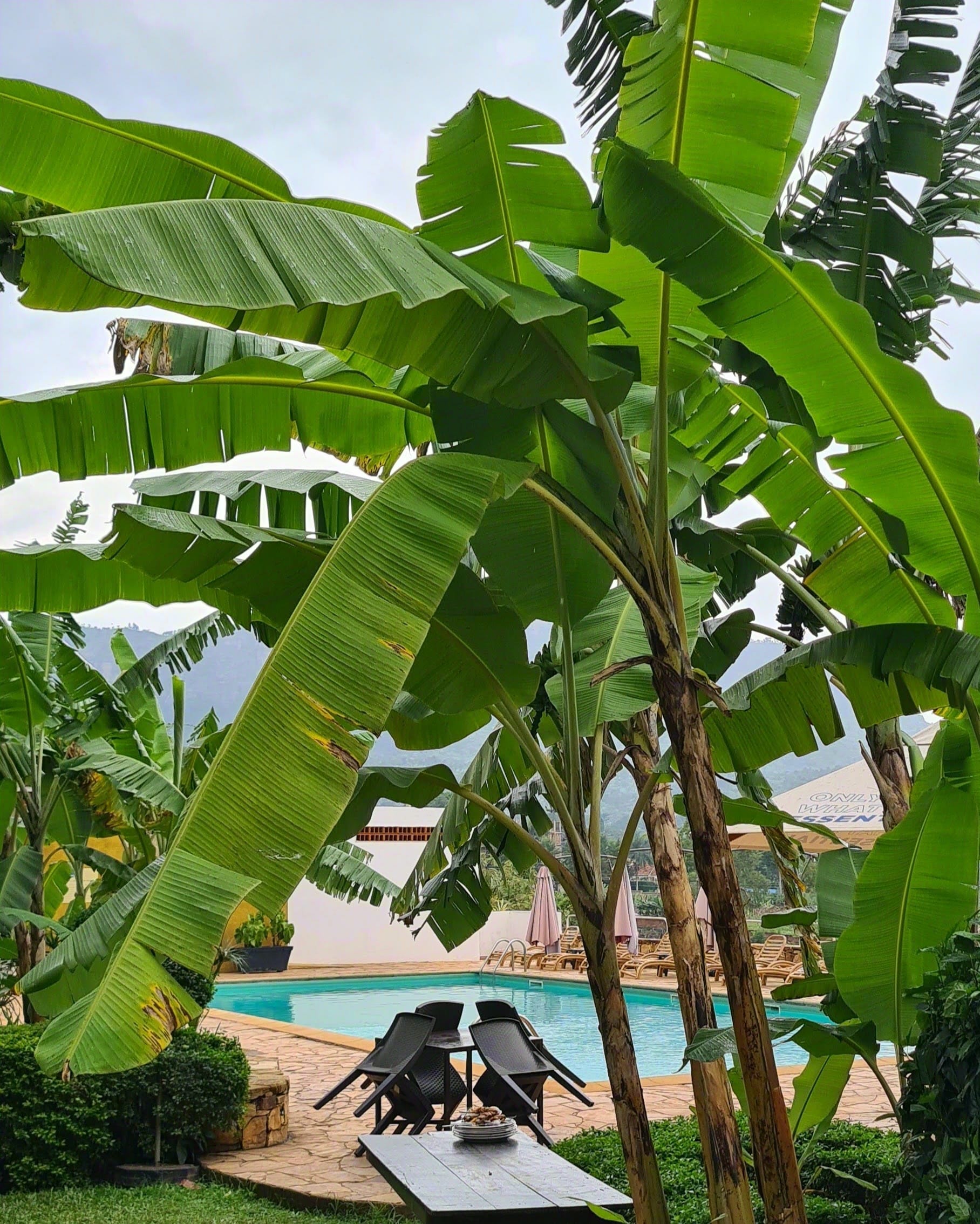
This is a city that does not perform for tourists. The food scene here has not been packaged and presented — it is just there, on the street, in the markets, at the back of buildings that look like nothing from the outside. You have to find it. And when you do, it is some of the most satisfying eating in East Africa.
This is a guide to what Kampala actually eats — and where to find it. It is my city. I spent my teenage years here. I speak the language. I know each and every corner.
Start With the Rolex — Uganda's Greatest Street Invention
The name has nothing to do with watches. Rolex is a rolled eggs — chapati rolled around a fresh omelette with sliced cabbage, onions, and tomatoes. It was invented by street vendors in Kampala, and it is now eaten across Uganda morning, noon, and night.
What makes a good Rolex is the chapati. It has to be soft enough to roll without cracking, slightly flaky, cooked to order on a flat griddle. The omelette goes on top while both are still hot, then the vegetables, then it gets rolled tight and handed to you in a piece of paper.
You eat it walking. You always eat it walking.
In 2026, a standard Rolex runs between UGX 2,000 and UGX 5,000 depending on what you add. Minced meat, avocado, chilli sauce — all optional, all good. The vendors near Makerere University and Old Taxi Park are the ones worth finding. Busy stalls, fast turnover, fresh oil.
Do not bother with the tourist-area versions. Find the vendor with the longest queue and stand in it.
Matooke — The Dish That Tells You Where You Are
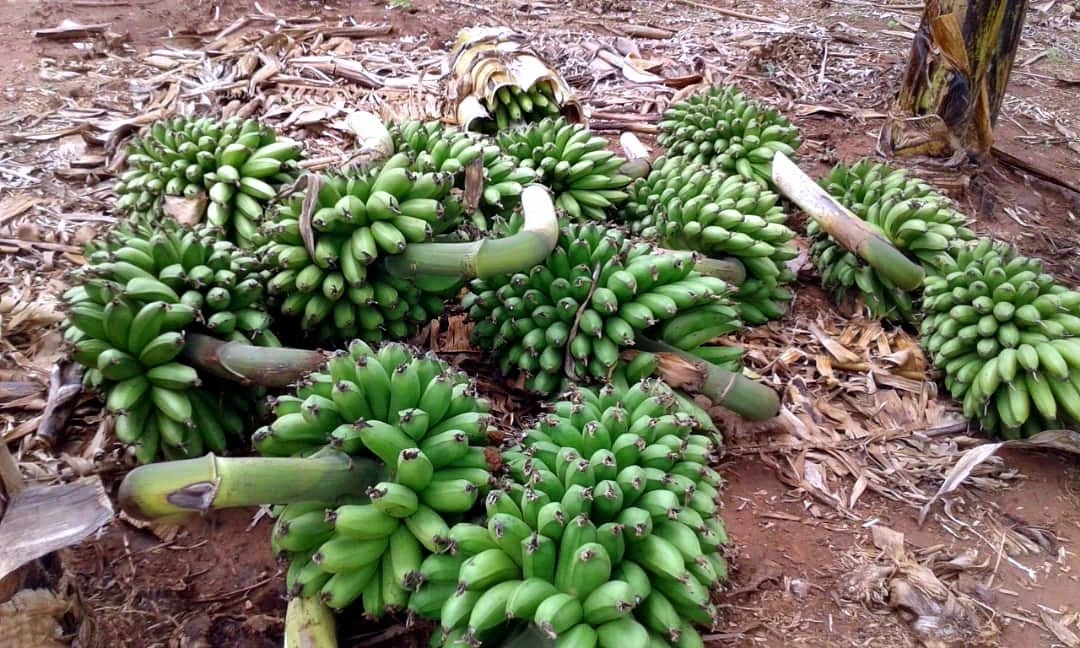
If Kampala has a single defining food, it is Matooke. Green bananas — not sweet ones, cooking bananas — steamed inside banana leaves until they soften, then mashed and served alongside groundnut sauce, beef stew, chicken, or vegetables.
The texture is dense and slightly starchy. The flavour on its own is mild. But with a good groundnut sauce — nutty, slightly sweet, with a heat that builds slowly — it becomes something completely different.
Matooke is not street food. It is home food, restaurant food, the dish that Ugandan families eat on Sundays and that mothers send children to school with. When a Ugandan household offers you Matooke, they are offering you something real.
You will find it at almost every local restaurant in Kampala. The version at St. Anthony Restaurant in central Kampala uses farm-fresh ingredients and is worth sitting down for. Order it with Luwombo if they have it that day.
Luwombo — Slow-Cooked and Worth the Wait
Luwombo is patience turned into food. Meat — beef, chicken, or fish — marinated, packed into banana leaves with vegetables and groundnut sauce, then steamed low and slow until everything collapses into each other.
The result is a stew that tastes like it has been cooking all day. Because it has.
It is not a fast food. You order it, you sit down, you wait. The banana leaves arrive at the table still tied. You open them yourself. The smell that comes out is rich and smoky and deeply savoury.
Pearl of Africa Restaurant and Ugandan Corner Restaurant both do solid versions. Go for lunch — Luwombo is a midday dish in most kitchens, and the earlier batches are always better.
Fish from Lake Victoria — The Freshest Thing on the Menu
Kampala sits close enough to Lake Victoria that the fish arrives daily. Nile perch and tilapia are the ones to order — fried whole until the skin crisps, served with chips and a wedge of lemon and whatever sauce the kitchen makes.
This is not complicated food. It does not need to be. Fish this fresh needs almost nothing done to it.
The lakeside restaurants outside the city centre — particularly toward Entebbe Road — are where the fish is best. The further from the tourist centre, the fresher the supply chain tends to be.
If you are in the city and cannot get to the lake: 2K Restaurant in central Kampala does a reliable version at prices that will not hurt. It is no-frills, fast, and good.
Posho and Groundnut Stew — Eat Where the Locals Eat
Posho is Uganda's version of ugali — cornmeal boiled until thick, formed into a smooth mound, eaten by hand with stew. It is filling in the way that only starchy staples can be. Not exciting on its own, but exactly right alongside a well-made groundnut stew.
The best posho in Kampala is not in a restaurant. It is in the markets. Kamwokya Market is the one to go to — find the food stalls at the back, pick the one that looks busiest, and point at what the person in front of you ordered. You will eat well and spend almost nothing.
Katogo — The Breakfast Most Visitors Walk Past
Ask a Ugandan what they actually eat in the morning and the answer, more often than not, is Katogo.
It is a one-pot dish — green bananas cooked down with something else until the two become one. That something might be offal, it might be beans, it might be groundnut sauce or cow's feet, depending on the cook and the budget. The matooke softens into the sauce, soaking up everything around it, and the result is hearty in a way that sets you up for a long day.
You find Katogo at small local eateries and roadside spots in the morning, served in a steel bowl with a spoon and no ceremony. It is cheap, filling, and almost entirely absent from any tourist itinerary — which is exactly why you should order it. Ask for the bean version if you would rather skip the offal.
Millet Bread — The Underrated Order
A staple in Western, Eastern and Northern Uganda, it is what we grew up eating. Millet bread is darker and denser than wheat bread, with a slightly bitter, earthy flavour that works well against rich stews. It is increasingly hard to find in the city as wheat bread takes over, which makes the restaurants still doing it worth seeking out.
Shaka Zulu Restaurant in Bugolobi does millet bread alongside their Ugandan dishes and offers fresh juice with it. It is a calmer, more sit-down experience than the street — good if you want to eat slowly and think about what you are tasting.
St. Anthony Restaurant also keeps it on the menu. Ask specifically — it is not always listed prominently.
Where to Eat a Proper Sit-Down Meal
2K Restaurant — Central Kampala. The working person's lunch spot. Affordable, reliable, fast. Good for pilau and luwombo. No atmosphere to speak of, which means all the money went into the food.
Shaka Zulu Restaurant — Bugolobi. Slightly more relaxed, international options alongside Ugandan dishes, complimentary fresh juice. Worth it if you want to sit down and eat properly between sightseeing.
Spectrum LaBonita — Colville Road. Buffet-style, local and international. Good for a group or when you want to try a bit of everything without committing to one dish.
Piato Restaurant — Known locally as the best grill in the city. Grilled chicken, steak, the kind of charcoal cooking that makes everything taste better. Go in the evening.
Practical Notes for 2026
Getting around to eat: Boda bodas (motorcycle taxis) are the fastest way to move between spots. Agree on a price before you get on — in 2026, short rides within the city should cost UGX 2,000 to UGX 5,000. Download the Safe Boda app for vetted riders.
Cash vs mobile money: MTN Mobile Money and Airtel Money are widely accepted at markets and many restaurants. Carry some UGX cash for street vendors who do not have mobile money readers.
Connectivity: If you are arriving from outside Uganda, a local eSIM means you have data from the moment you land — useful for navigating Kampala's markets and finding your way to Kamwokya or Bugolobi without hunting for a SIM card.
Before you fly: Visa and entry rules change, so check the current requirements through the official Uganda Tourism Board before you book — not a random forum post.
Timing: Street food peaks at breakfast (Rolex vendors from 7am) and late afternoon (grills and skewer spots from 5pm). Luwombo and Matooke are lunchtime dishes — find them before 2pm.
The Honest Take
Kampala does not have the food tourism infrastructure of Nairobi or Accra. There is no curated street food tour you can book, no Instagram-famous market with clean lighting and English menus.
What it has is better: a food culture that has not been edited for outsiders. You will eat in places that feel like someone's kitchen, at tables that have been there for twenty years, next to people who eat there every day.
That is the Kampala food tour. It does not have a start time or a booking link. It starts when you land and ends when you leave.
Travelling further in East Africa? Read our guide on more of our Uganda travel guides for the next leg of your trip.