7 Kenyan Cultural Activities Worth Experiencing in 2026
Seven Kenyan cultural activities worth experiencing in 2026 — from Samburu rites to Kisii stone carving and the Turkana camel derby. Traditions, with respect.

Kenya is more than its safaris. Behind the national parks sits a country of more than forty ethnic groups, each with its own language, music, and traditions — many of them still very much alive, not staged for visitors.
These seven Kenyan cultural activities are a way into that depth. A note before you go: these are living traditions belonging to real communities. Approach them as a guest — ask before photographing people, follow local guidance, and treat what you see with the respect it deserves.
1. The Bullfighting Festival of Western Kenya
In and around Kakamega in western Kenya, bullfighting means something very different from the Spanish version. Here, there is no matador. Two bulls lock horns in a contest of strength while crowds gather to cheer on their favourite, surrounded by traditional music and dance.
It is a community celebration as much as a contest — loud, festive, and deeply local. If you are in western Kenya when one is on, it is an experience you will not find in any guidebook itinerary.
2. Maasai Traditions and the Bond With Cattle
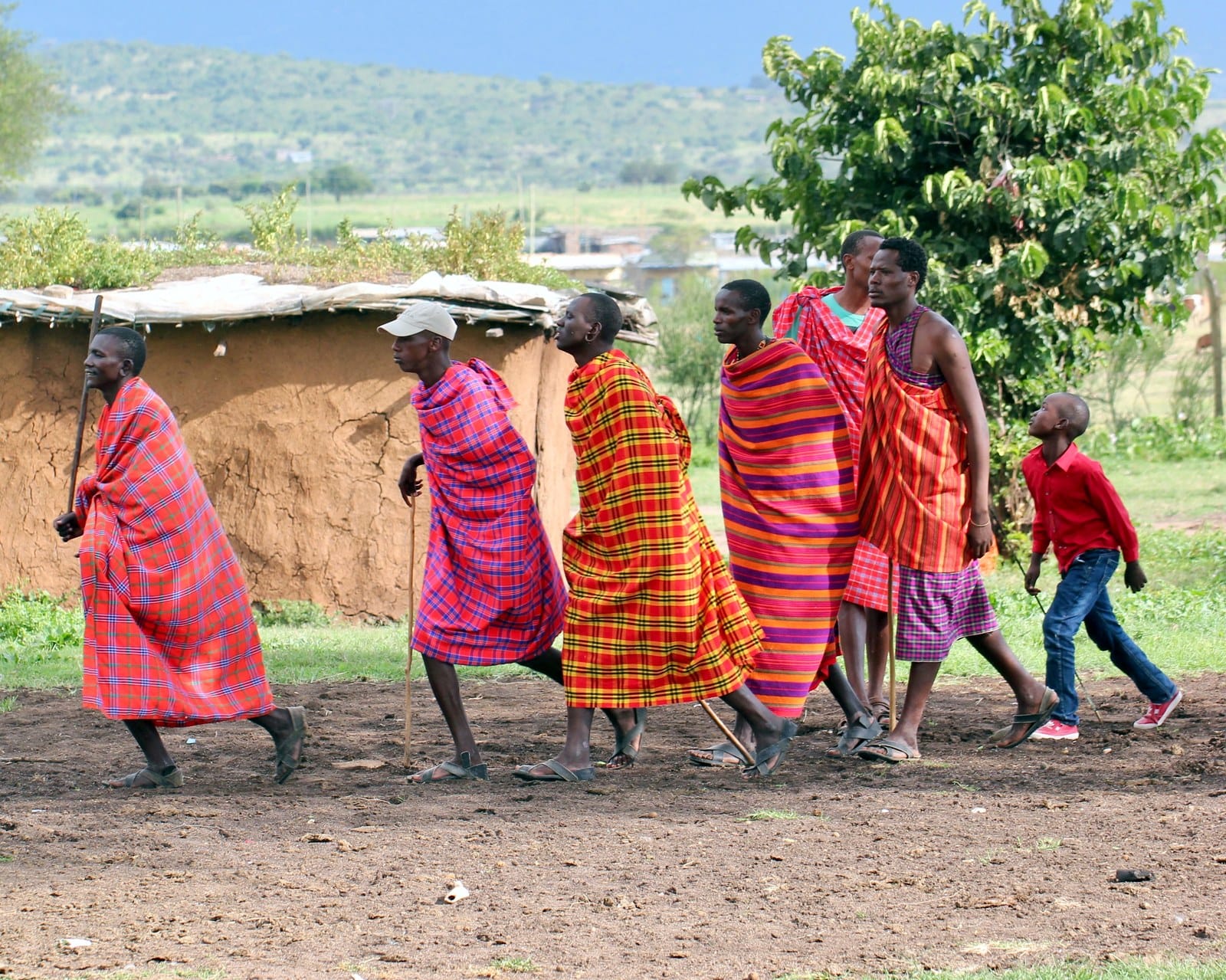
For the Maasai, cattle are central to life — economically, socially, and spiritually. One of the practices visitors hear about is the ceremonial mixing of milk with a small amount of blood drawn from a living cow, consumed on significant occasions.
It is easy to sensationalise; it is better understood. The practice reflects the Maasai's profound relationship with their cattle, where the animals are wealth, food, and identity. Experienced through a respectful community visit — rather than a staged show — it offers a genuine window into one of East Africa's most resilient cultures.
3. Samburu Initiation Rites (Emuratare)
Among the Samburu of northern Kenya, Emuratare marks a young man's passage into adulthood. The ceremony involves circumcision, the blessings of elders, and distinctive dress, followed by celebration with music, dancing, and food.
These are private, significant moments for the community. Where visits are welcomed, they are best arranged through community-based tourism initiatives that involve the Samburu directly and channel income back to them.
4. The Giriama Kifudu Dance
On the Kenyan coast, the Giriama people perform the energetic Kifudu dance — complex footwork, dynamic movement, and the driving rhythm of shakers and drums.
You will see it at weddings, harvest celebrations, and community gatherings, where it expresses joy and unity. The coast's culture is distinct from the inland highlands, and the Kifudu is one of its most vivid expressions.
5. Chuka Drumming in Central Kenya
The Chuka people of central Kenya are known for a drumming and dance tradition that is genuinely mesmerising — synchronised dancers moving to intricate rhythms played by skilled traditional drummers.
It is performance, but it is also preservation: each ceremony carries cultural memory forward and strengthens community bonds. Catching a live Chuka performance is one of the most musical experiences Kenya offers.
6. Kisii Soapstone Carving Workshops
In Kisii, in the country's south-west, artisans have worked soft soapstone for generations, carving it into jewellery, figurines, and sculpture. Many workshops welcome visitors — not just to watch, but to learn the techniques and the meaning behind each design.
It is hands-on, it directly supports local craftspeople, and you leave with something genuine. Buying directly from the carvers is one of the more meaningful souvenirs you can bring home from Kenya.
7. The Turkana Camel Derby
In the far north, the Turkana Camel Derby is an annual celebration of the camel's central place in nomadic Turkana life. Part race, part festival, it draws competitors and spectators from across Kenya and beyond.
It is a rare chance to experience the culture of northern Kenya — a region most visitors never reach — on its own terms, and in high spirits.
How to Experience These Respectfully
- Go through community-based tourism where you can. It ensures the people whose culture you are experiencing actually benefit. - Always ask before photographing individuals. A ceremony is not a backdrop. - Follow local guidance on what is and isn't appropriate to watch, join, or record. - Buy directly from artisans and performers — it is the most direct way to give back.
For broader trip planning, the official Kenya Tourism Board is a good starting point, and our guide to what to know before travelling to Kenya covers the practical side.
Frequently Asked Questions
What is the best way to experience Kenyan culture respectfully? Go through community-based tourism, always ask before photographing people, follow local guidance, and buy directly from artisans and performers so the community benefits.
Can tourists attend ceremonies like Samburu initiation rites? Sometimes, where visits are welcomed — but these are private, significant occasions. Arrange them through community-based initiatives that involve the people directly, never as an uninvited spectator.
Where can I buy authentic Kenyan soapstone carvings? In Kisii, in south-west Kenya, where artisans run workshops. Buying directly from the carvers supports them and gets you a genuine piece with real cultural meaning.
When is the Turkana Camel Derby? It is an annual event in northern Kenya. Dates shift year to year, so check ahead with local sources before planning a trip around it.
The Last Word
The wildlife will get you to Kenya. The culture is what stays with you afterwards. Build a little of it into your trip — a festival, a workshop, a community visit — and you will leave understanding the country, not just having photographed it.
Hungry after all that? See our guide to the best Kenyan dishes for what to eat along the way.