Ugandan Street Food in 2026 — 12 Things to Eat on the Streets of Uganda
The 12 Ugandan street foods worth seeking out in 2026 — from the famous Rolex to seasonal grasshoppers and roadside roasted pork. What to eat and where.

Uganda eats on the street. Not as a novelty, but as a default — breakfast from a roadside griddle, lunch wrapped in paper, a snack handed through a car window in traffic.
Some of it is famous now. Some of it most visitors walk straight past. This is a run through twelve Ugandan street foods worth knowing, what they actually are, and when to look for them.
1. Rolex — The One Uganda Is Famous For
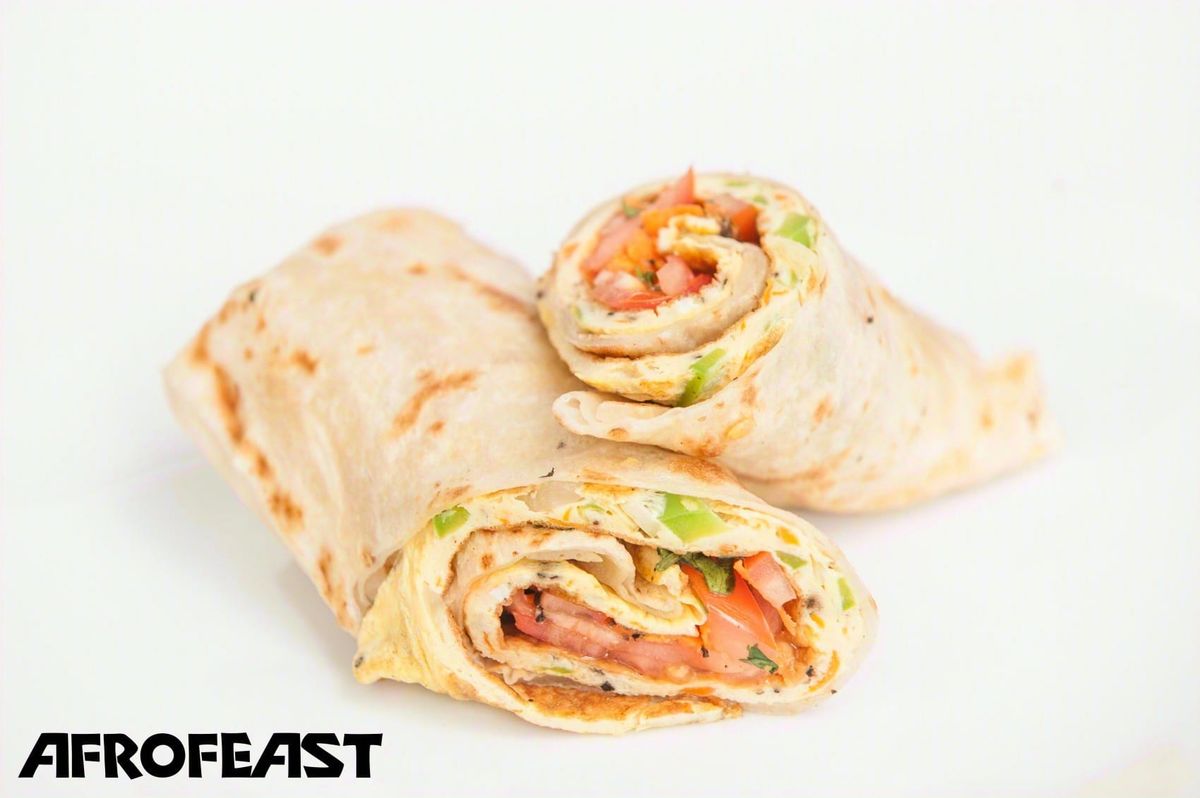
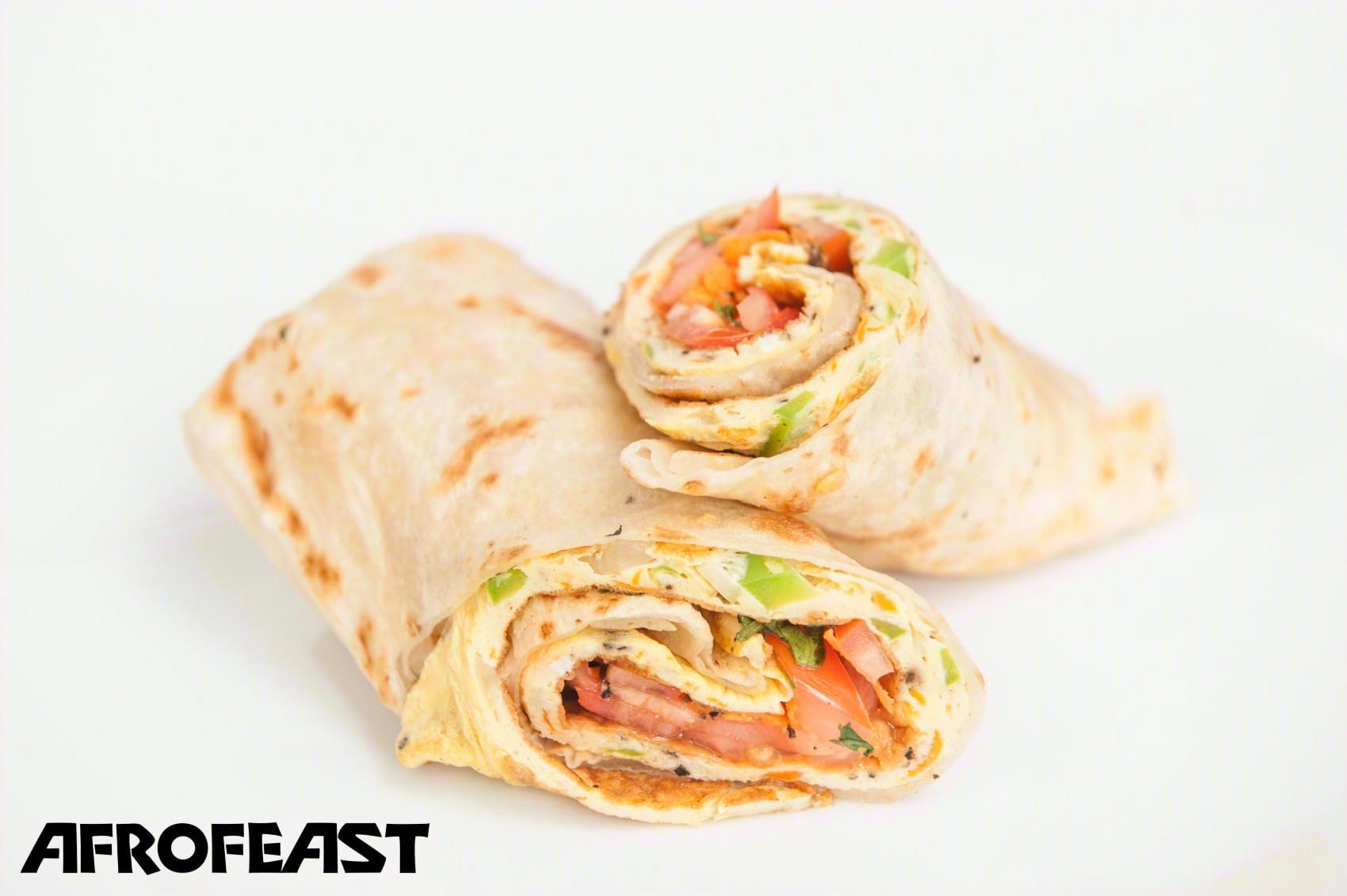
If Ugandan street food has a flagship, it is the Rolex. A chapati rolled around an omelette with tomato, onion, and cabbage — cooked to order on a flat griddle and handed to you hot.
CNN has named it among the world's great street foods, and it earned the reputation honestly: it is cheap, filling, and sold on nearly every busy street and suburb in the country. The chapati has to be soft and a little flaky; the omelette goes on while both are hot, then it gets rolled tight.
You eat it walking. It is the first thing any visitor should try.
2. Roasted Chicken and Gonja at Namawojolo
On the highway toward Jinja, the stretch known as Namawojolo is legendary for its roadside meat hawkers. Buses slow down, windows come down, and skewers of charred chicken are passed through.
The chicken is grilled over open coals until smoky, usually paired with gonja — sweet plantain roasted until the edges caramelise. It is the classic Ugandan road-trip meal, eaten on the move between Kampala and Jinja.
3. Grasshoppers (Nsenene) — The Seasonal Delicacy
Twice a year, with the rains, Uganda fills with nsenene — grasshoppers, lightly fried, crunchy, and packed with protein. They are a genuine delicacy here, not a dare for tourists.
The main season runs roughly November to December, when nsenene becomes a street-food phenomenon: sold by the cup, seasoned, often served with raw onion and green pepper. If you are in Uganda during the season and you eat them with an open mind, they are genuinely good.
4. Ugandan Egg Roll
Not to be confused with the Asian version. The Ugandan egg roll is a hard-boiled egg wrapped in a layer of mashed potato and vegetables, dipped in beaten egg, and deep-fried until golden.
It is substantial — closer to a meal than a snack — and a staple of street stalls and small kiosks across the country.
5. Fried Pork (Kikalayi)
Uganda takes its pork seriously. Kikalayi is pork marinated in spices and citrus, then deep-fried until crisp at the edges and tender inside, traditionally cooked in a large wok-style pan that gives the dish its name.
It is served with matooke, cassava, millet bread (kwon), or ugali, and eaten communally — pork is a social food here, the centre of an afternoon spent with friends.
6. Roasted Pork (Muchomo)
The grilled cousin of kikalayi: pork ribs and cuts barbecued on a stick over coals, sold at roadside bars, markets, and small restaurants across the country.
It comes with roasted sweet plantain, unpeeled matooke, kachumbari (the fresh tomato-and-onion salad), avocado, and cassava. Order it in the late afternoon when the grills fire up.
7. Roasted Maize (Kasoli)
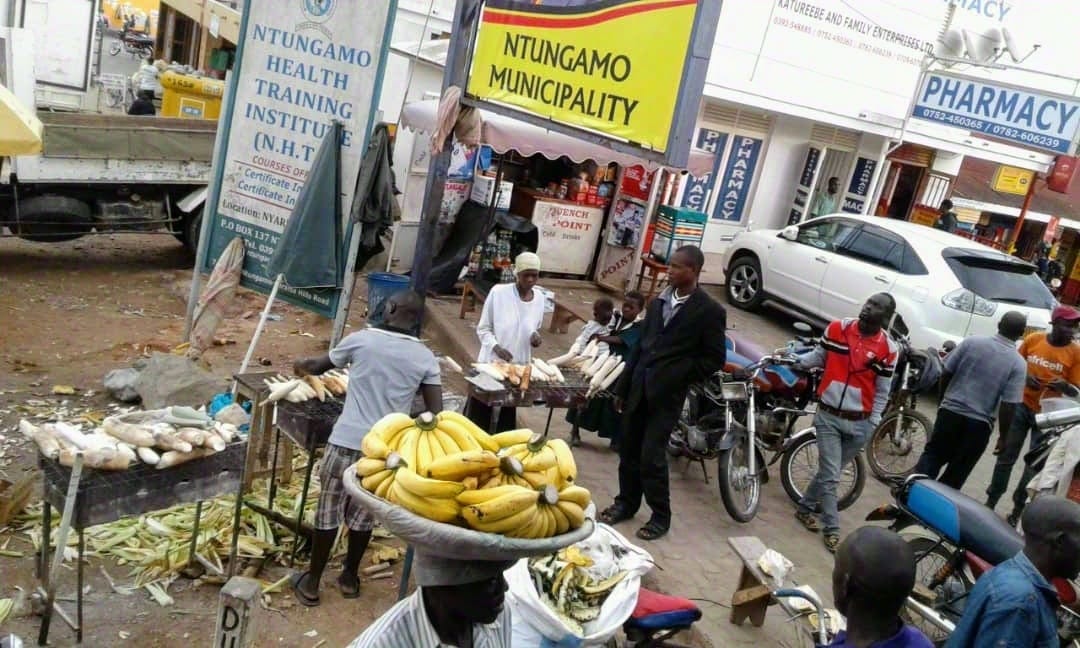
Simple and everywhere: fresh corn roasted slowly over coals until golden and slightly charred. The trick is freshness — the best is roasted straight from the garden, before the kernels lose their sweetness.
A few hundred shillings, eaten off the cob on the side of the road. One of the cheapest and most satisfying street snacks in the country.
8. Kabalagala (Banana Pancakes)
Kabalagala are small, dense pancakes made from mashed sweet bananas and cassava flour, cut into circles and deep-fried until golden. Lightly sweet, slightly chewy, sold by vendors in the morning and as an all-day snack.
They travel well in a bag and pair perfectly with Ugandan tea.
9. Kikomando — The Budget Hero
A student and worker favourite: kikomando is chapati cut into bite-sized pieces and mixed with spicy beans. Some versions add beef stew or liver.
It is cheap, filling, and exactly the kind of honest food that keeps a city fed. Order it from a busy stall where the chapati is fresh off the griddle.
10. Samosas (Sambusa)
A legacy of Uganda's South Asian community, now fully Ugandan. Golden triangular pastries filled with spiced potato, peas, and sometimes meat, deep-fried and eaten on their own or with a tangy chutney.
Found everywhere — kiosks, bus parks, tea stalls — and ideal for eating on the move.
11. Deep-Fried Fish
With Lake Victoria close by, fresh fish is never far. Tilapia or Nile perch, coated in a light batter and deep-fried until the skin crisps, served with a squeeze of lemon and spicy matoke fries.
Look for it near markets and lakeside spots, where the supply chain is shortest and the fish is freshest.
12. Cassava (Mwogo)
The quiet staple behind much of Ugandan eating. Mwogo — cassava — is steamed, boiled, or fried, and serves as an affordable, filling base at any time of day.
On the street it comes topped with spicy stews, creamy groundnut (peanut) sauce, kachumbari, or avocado. Breakfast, lunch, or snack — cassava does all three.
Practical Notes for 2026
Where to eat: Kampala's markets and busy junctions, the Jinja highway for roadside meat, and any stall with a steady local queue. The crowd is your quality and safety check.
Timing: Rolex and kabalagala in the morning; grilled pork and chicken from the late afternoon; nsenene only in season (around November–December).
Cash: Carry small Ugandan shilling notes. Mobile money (MTN, Airtel) is widely used but not always for the smallest street purchases.
Connectivity: Coming from outside Uganda? An Airalo eSIM gets you online the moment you land — handy for finding markets and getting around Kampala. Get your Uganda eSIM on Airalo → (affiliate — we earn a small commission at no cost to you)
Before you travel: Check current entry and visa requirements with the official Uganda Tourism Board.
Frequently Asked Questions
What is the most famous Ugandan street food? The Rolex — a chapati rolled around an omelette with vegetables. CNN has named it one of the world's great street foods, and it is sold across the country.
Is Ugandan street food safe to eat? Generally yes, if you use the crowd rule: a stall with a steady local queue is turning over fresh food. Start gently, stick to hot, freshly cooked items, and drink bottled water until your stomach adjusts.
When can you eat grasshoppers (nsenene) in Uganda? Nsenene are seasonal, appearing mainly with the rains around November to December. Outside that window they are hard to find.
How much does Ugandan street food cost? Most items cost a few thousand shillings — a Rolex, roasted maize, or kikomando are among the cheapest full snacks you will find anywhere.
The Last Word
Ugandan street food is not trying to impress anyone. It is fast, cheap, and built for daily life — which is exactly why it is worth your attention. Start with a Rolex, follow the smoke to the nearest grill, and eat what the queue is queuing for.
In Kampala specifically? Read our Kampala food tour for the sit-down spots and markets worth your time.